treadmill guide tweeklynutrition
Treadmill Guide: A Comprehensive Overview
This guide explores the phenomenal year-round benefits of treadmill use, from starting a new routine to supplementing existing workouts, especially as home fitness blossoms.
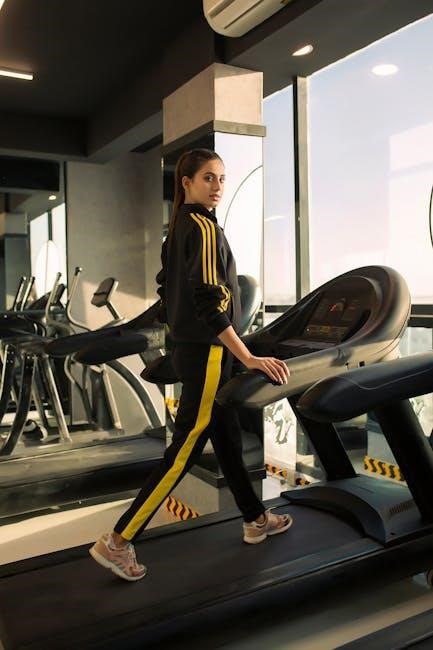
Treadmill training has surged in popularity, becoming a cornerstone of many fitness routines, particularly amplified by recent global events. Whether you’re a seasoned runner or just beginning your fitness journey, a treadmill offers a controlled and convenient environment for exercise. It’s a fantastic addition for those seeking year-round access to running and walking, regardless of weather conditions – rain, snow, or extreme heat are no longer barriers.
The rise of home workouts, spurred in part by the pandemic, has further cemented the treadmill’s place in modern fitness. Investing in a treadmill allows for a dedicated space to achieve your health goals, whether you’re building a full home gym or simply seeking a reliable indoor exercise option. Treadmills cater to all fitness levels, offering customizable speed and incline settings to match individual needs and abilities.
This introduction sets the stage for a deeper dive into the world of treadmill training, exploring its benefits, comparing it to outdoor running, and guiding you through the process of choosing the right machine for your specific requirements.
Benefits of Using a Treadmill
The benefits of incorporating a treadmill into your fitness regimen are numerous and impactful. Primarily, treadmills offer a safe and controlled exercise environment, minimizing risks associated with uneven terrain or traffic encountered during outdoor running. This is particularly valuable for beginners or individuals recovering from injuries.
Convenience is another significant advantage. Treadmills eliminate weather-related limitations, allowing consistent workouts year-round. This consistency is crucial for achieving and maintaining fitness goals. Furthermore, modern treadmills boast advanced features like heart rate monitoring, pre-programmed workouts, and incline adjustments, enhancing workout effectiveness and personalization.
Treadmill use contributes to improved cardiovascular health, weight management, and increased endurance. The ability to precisely control speed and incline allows for targeted training, whether it’s building stamina, burning calories, or improving overall fitness. Ultimately, a treadmill empowers you to take control of your health and wellness, regardless of external factors.
Treadmill vs. Outdoor Running
The debate between treadmill running and outdoor running is a long-standing one among fitness enthusiasts. While both offer excellent cardiovascular benefits, they differ significantly in their biomechanical demands and overall experience. Outdoor running engages more muscles due to the need to navigate varying terrain and wind resistance, fostering natural running form.

However, treadmills provide a cushioned surface, reducing impact stress on joints – a benefit for those prone to injury or with existing joint issues. Treadmills also offer precise control over pace and incline, allowing for structured interval training and consistent performance monitoring. Outdoor running, conversely, presents unpredictable conditions and requires greater adaptability.
Ultimately, the “better” option depends on individual preferences and goals. Treadmills excel in convenience and controlled training, while outdoor running offers a more natural and challenging experience. Many runners successfully integrate both into their routines for a well-rounded approach.
Choosing the Right Treadmill
Selecting the ideal treadmill requires careful consideration of your fitness level, goals, and available space. Begin by assessing your intended use – will it be for walking, jogging, or intense running? This dictates the necessary motor horsepower and belt size. A more powerful motor is crucial for frequent, high-intensity workouts.
Consider the available space in your home, as treadmills vary significantly in size. Foldable models are excellent for smaller spaces, offering convenient storage. Key features to prioritize include incline adjustability, cushioning systems, and a user-friendly console with pre-programmed workouts.
Don’t overlook the warranty, as it reflects the manufacturer’s confidence in the product’s durability. Research different treadmill types – motorized versus manual – to determine which best suits your needs and budget. Prioritize quality and features aligned with your fitness journey.
Treadmill Types: Motorized vs. Manual
Treadmills broadly fall into two categories: motorized and manual. Motorized treadmills utilize a motor to drive the belt, allowing for adjustable speeds and inclines, making them ideal for varied workouts and all fitness levels. They often include pre-programmed routines and console features for tracking progress.
Manual treadmills, conversely, are powered by the user’s own effort. You control the belt speed entirely through your walking or running pace. These are typically more affordable and don’t require electricity, but demand greater physical exertion.
Motorized treadmills are generally preferred for serious runners or those seeking convenience and advanced features. Manual treadmills suit walkers or individuals wanting a more challenging, self-powered workout. Consider your fitness goals and budget when deciding which type best aligns with your needs.
Key Features to Consider
When selecting a treadmill, several key features deserve careful consideration. Motor horsepower impacts durability and accommodates user weight; higher horsepower is better for frequent, intense use. Belt size is crucial – longer and wider belts offer more comfortable running space.
Incline and decline options add workout variety and simulate outdoor terrain. Cushioning systems reduce impact on joints, enhancing comfort and minimizing injury risk. A user-friendly console displaying speed, distance, time, and heart rate is essential for tracking progress;
Consider features like pre-programmed workouts, heart rate monitoring, and connectivity (Bluetooth, Wi-Fi) for entertainment and data syncing. Don’t overlook weight capacity and the treadmill’s overall build quality for long-term reliability.
Treadmill Workouts for Weight Loss
Embarking on a weight loss journey with a treadmill starts with baby steps – avoid overwhelming yourself with intense routines. Begin with brisk walking, gradually increasing speed and incline. Interval training is highly effective: alternate between high-intensity bursts and recovery periods.
A sample workout could involve walking at 3.0 mph for 5 minutes, then alternating between 6.0 mph sprints (1 minute) and 3.0 mph recovery walks (2 minutes) for 20-30 minutes. Consistency is key; aim for at least 3-5 treadmill sessions per week;
Don’t forget the importance of a warm-up and cool-down. Incorporate incline to increase calorie burn and challenge your muscles. Remember, running shouldn’t feel impossible; adjust the pace to a sustainable level. Prioritize form and listen to your body.
Maintaining Treadmill Fitness During Winter
Don’t let winter weather derail your fitness goals! While many indulge in snacks and binge-watching, proactive runners understand the importance of consistent training to prepare for the next racing season. A treadmill provides a perfect solution, offering a controlled environment free from snow, ice, and frigid temperatures.
Utilize this time to build endurance and maintain speed. Continue with your regular workout schedule, adapting outdoor runs to treadmill sessions. Incorporate interval training and incline work to challenge yourself. Consider virtual running programs or streaming fitness classes for added motivation.
Remember, consistency is paramount. Even short, regular treadmill workouts are better than none. Prevent winter weight gain and stay race-ready by embracing indoor training. A treadmill ensures your fitness doesn’t hibernate until spring!
Best Treadmill Brands
Choosing the right treadmill brand is crucial for a satisfying and effective workout experience. Several brands consistently receive high praise from both avid walkers and marathoners alike, offering a range of features and price points to suit diverse needs.
NordicTrack is renowned for its innovative technology, immersive workouts, and incline/decline capabilities. Horizon treadmills strike a balance between quality and affordability, providing reliable performance for everyday use. Bowflex is another strong contender, known for its space-saving designs and interactive training programs.

These brands consistently deliver durable, feature-rich treadmills. Researching specific models within each brand is essential to find the perfect fit for your fitness level, budget, and space constraints; Consider factors like motor power, cushioning, and console features when making your decision.
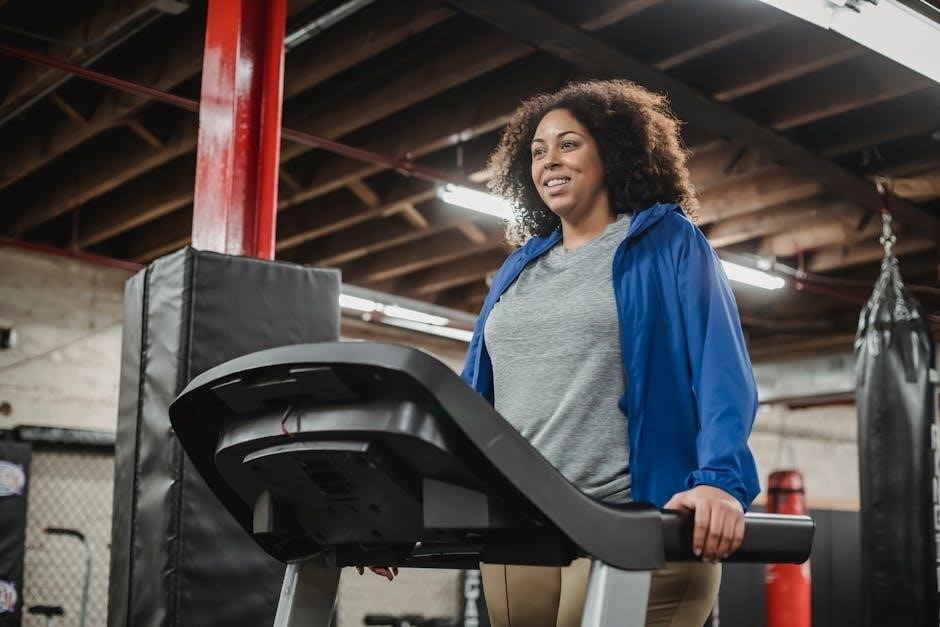
NordicTrack Treadmills
NordicTrack consistently ranks among the top treadmill brands, celebrated for its cutting-edge technology and immersive workout experiences. Their treadmills frequently feature interactive touchscreens, allowing access to on-demand fitness classes led by certified trainers, often simulating outdoor runs with automatic incline and decline adjustments.
A key differentiator is iFit, NordicTrack’s subscription service, which provides a vast library of workouts and personalized training programs. Many models boast powerful motors capable of handling intense interval training and long-distance runs. The incline and decline functions realistically mimic outdoor terrain, enhancing workout intensity and engagement.
However, NordicTrack treadmills generally come with a higher price tag. Assembly can be complex, and the iFit subscription is often required to unlock the full potential of the machine. Despite these considerations, NordicTrack remains a popular choice for serious runners and fitness enthusiasts.
Horizon Treadmills
Horizon Fitness offers a diverse range of treadmills known for their balance of quality, features, and affordability. They cater to a wide spectrum of users, from casual walkers to dedicated runners, providing options for various fitness levels and budgets. Horizon prioritizes user-friendly designs and durable construction, making their treadmills a reliable choice for home gyms.
Many Horizon models feature Bluetooth connectivity, allowing users to sync their treadmills with fitness apps and track their progress. They often incorporate responsive cushioning systems to minimize impact on joints, enhancing comfort during workouts. While not always as technologically advanced as NordicTrack, Horizon treadmills provide excellent value for the price.
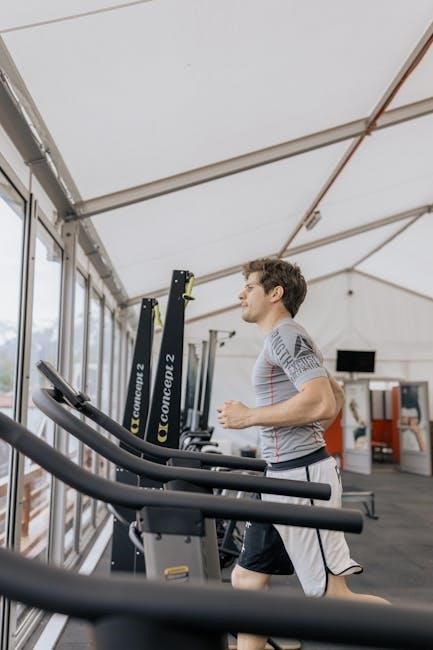
Horizon also excels in foldable treadmill options, ideal for those with limited space. Assembly is generally straightforward, and customer support is well-regarded. They represent a strong contender for individuals seeking a dependable and accessible treadmill experience.
Bowflex Treadmills
Bowflex treadmills are recognized for their innovative features and integration of interactive technology, particularly their JRNY adaptive training platform. This platform personalizes workouts based on fitness level and goals, offering a dynamic and engaging exercise experience. Bowflex often incorporates incline and decline capabilities, simulating outdoor terrain and increasing workout intensity.
Their treadmills frequently boast robust construction and comfortable cushioning systems, designed to withstand rigorous use and minimize joint stress. While generally positioned at a higher price point than some competitors, Bowflex aims to deliver a premium fitness experience.
Bowflex also provides foldable options, though they may be heavier and bulkier than some other brands. They are a solid choice for users who prioritize interactive training and are willing to invest in a technologically advanced treadmill. Customer reviews often highlight the effectiveness of the JRNY platform.
Foldable and Portable Treadmill Options
For those with limited space, foldable and portable treadmills offer a convenient solution. These models prioritize space-saving designs, allowing for easy storage under beds or in closets. NordicTrack, Xterra, and Echelon are leading brands offering such options, catering to diverse budgets and fitness needs.
Portability is a key feature, with some models incorporating wheels for effortless movement. However, be aware that folding mechanisms can sometimes compromise stability compared to traditional treadmills. Weight capacity and motor power may also be reduced in more compact designs.
These treadmills are ideal for apartment dwellers, frequent travelers, or anyone seeking a flexible workout solution. Consider the ease of folding, storage footprint, and weight limit when selecting a foldable or portable treadmill. They represent a practical compromise between functionality and convenience.
Treadmill Safety Guidelines
Prioritizing safety is paramount when using a treadmill. Always familiarize yourself with the machine’s controls and features before each workout. Utilize the safety key – clipping it to your clothing immediately stops the treadmill in case of a stumble or fall.
Maintain a centered position on the belt and avoid looking down excessively, which can disrupt balance. Start at a slow speed and gradually increase it as you warm up. Be mindful of the emergency stop button’s location and practice reaching it quickly.
Children and pets should be kept well away from the treadmill during operation. Wear appropriate athletic shoes and clothing to prevent slips and injuries. Listen to your body and stop if you experience any pain or discomfort. Regular inspection of the treadmill for wear and tear is also crucial.
Treadmill Maintenance and Care
Regular treadmill maintenance extends its lifespan and ensures optimal performance. A crucial step is routinely vacuuming around the motor base to prevent dust buildup, which can cause overheating. Periodically tighten all bolts and screws to maintain stability and prevent rattling during use.
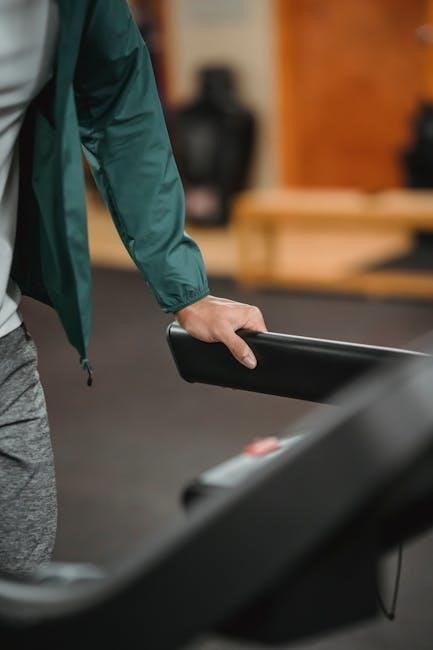
Lubricate the treadmill belt according to the manufacturer’s instructions – typically with silicone-based lubricant – to reduce friction and wear. Inspect the belt for any signs of damage, such as tears or fraying, and address them promptly. Clean the console and handrails with a damp cloth and mild detergent.
Avoid placing the treadmill in direct sunlight or humid environments. Unplug the treadmill when not in use and during cleaning. Following these simple steps will keep your treadmill running smoothly for years to come.
Setting Realistic Treadmill Goals
Embarking on a treadmill journey requires setting achievable goals to foster consistency and prevent discouragement. Begin with “baby steps,” avoiding overly ambitious mileage or intense workouts initially. Focus on establishing a routine that feels sustainable, rather than immediately aiming for peak performance.
Start with shorter durations and lower speeds, gradually increasing intensity and time as your fitness improves. Consider setting process-oriented goals, like exercising a certain number of times per week, instead of solely focusing on weight loss. Celebrate small victories along the way to maintain motivation.
Remember, consistency is key. Realistic goals, coupled with patience and self-compassion, will pave the way for long-term treadmill success and a healthier lifestyle.
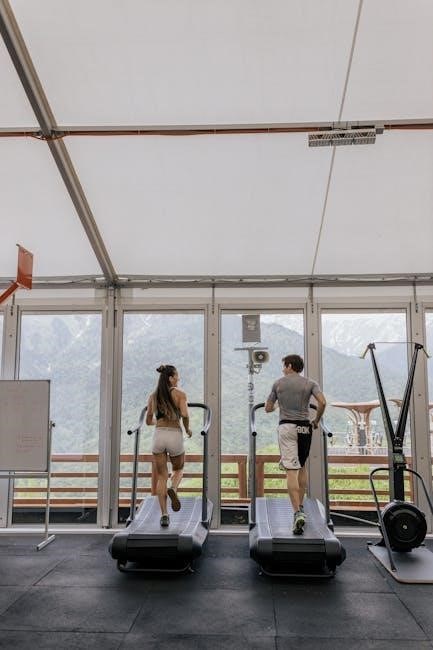
Incorporating Interval Training on a Treadmill
Interval training on a treadmill is a highly effective method for boosting cardiovascular fitness and accelerating weight loss. This involves alternating between high-intensity bursts and periods of lower-intensity recovery. A simple approach is to sprint for 30-60 seconds, followed by a 1-2 minute walk or jog for recovery.
Varying the intervals – adjusting speed, incline, or duration – keeps workouts challenging and prevents plateaus. For beginners, start with shorter high-intensity intervals and longer recovery periods. As fitness improves, gradually increase the intensity and decrease recovery time.
Intervals can be incorporated into any treadmill routine, offering a dynamic and efficient way to maximize your workout benefits. Remember to warm up before and cool down after each interval session.
Advanced Treadmill Workouts
For seasoned runners, advanced treadmill workouts push boundaries beyond steady-state cardio. Hill repeats, simulating outdoor inclines, build strength and endurance. Increase the incline incrementally, alternating with recovery periods at a lower grade.
Speed ladders, progressively increasing and decreasing speed in short bursts, enhance agility and cardiovascular capacity. Another effective technique is pyramid training – gradually increasing intensity to a peak, then decreasing it symmetrically.
Consider incorporating workouts that mimic race conditions, including pace changes and simulated terrain. Don’t forget to prioritize proper form and listen to your body. Advanced workouts demand careful planning and execution to prevent injury and maximize results.
Troubleshooting Common Treadmill Issues
Treadmills, while reliable, can experience issues. A common problem is belt slippage; ensure proper tension and lubrication. If the console displays an error message, consult the owner’s manual for specific troubleshooting steps. Electrical issues, like a lack of power, require professional attention – never attempt self-repair.
Unusual noises often indicate loose parts or worn components. Regularly inspect and tighten bolts. If the treadmill abruptly stops, check the safety key and power cord. A jerky or uneven belt movement suggests a need for belt alignment or lubrication.
Preventative maintenance, including regular cleaning and lubrication, minimizes these issues. Ignoring problems can lead to more significant and costly repairs. When in doubt, contact a qualified technician.
The Future of Treadmill Technology
The treadmill landscape is rapidly evolving. Expect increased integration with virtual reality (VR) and augmented reality (AR), creating immersive running experiences simulating real-world environments. Artificial intelligence (AI) will personalize workouts, dynamically adjusting speed and incline based on fitness levels and goals.
Connectivity will expand, with seamless data syncing to fitness apps and platforms. Biometric sensors will become more sophisticated, tracking metrics beyond heart rate, like hydration levels and muscle fatigue. Self-diagnosing treadmills, capable of identifying and reporting potential issues, are on the horizon.
Sustainable designs, utilizing eco-friendly materials and energy-efficient motors, will gain prominence. Expect more compact, foldable models catering to smaller living spaces, alongside advancements in shock absorption and noise reduction.